
As robots evolve from merely "seeing" the world to physically "feeling" it, embodied AI is reaching a pivotal stage in its transition from visual perception and recognition to real-world physical manipulation.
At the 2026 World Artificial Intelligence Conference (WAIC 2026), which opened on July 17, NeoteAI Tech Co., Ltd. (NeoteAI) made a prominent appearance, showcasing its tactile embodied foundation models and a range of breakthroughs in robotic dexterous manipulation.
Through coordinated demonstrations across four exhibition booths, NeoteAI highlighted cutting-edge advances in real-world physical interaction tasks, including component assembly on factory production lines, circuit board insertion and removal in electronic equipment, and data interface cable connections for rail transit systems.
These demonstrations brought embodied AI technologies out of the laboratory and into tangible, testable real-world application scenarios.
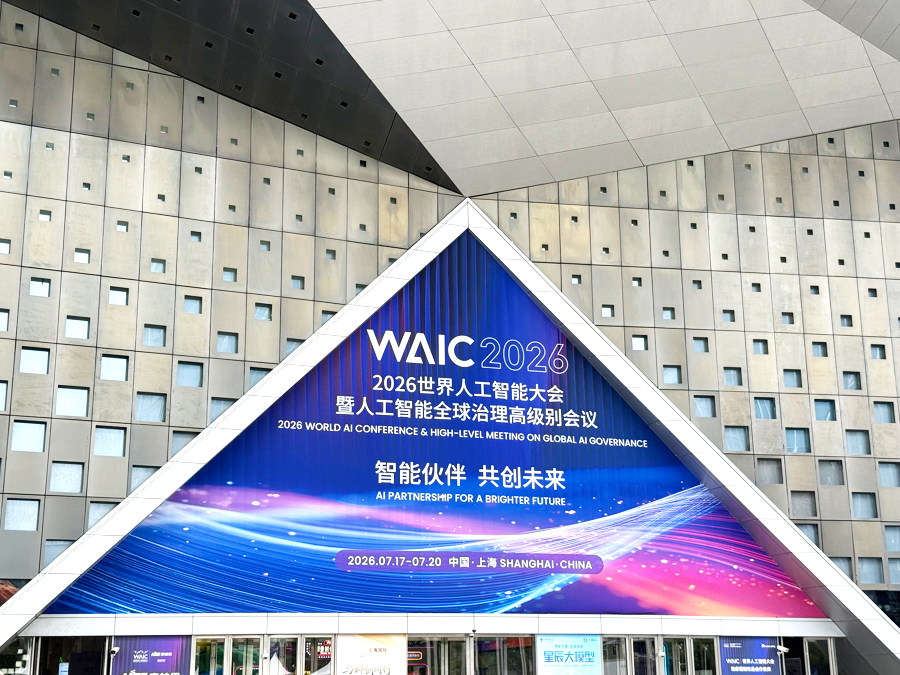
At this year's conference, NeoteAI presented a comprehensive showcase of robotic dexterous manipulation capabilities enabled by the integration of vision, touch, language, and action across four exhibition booths, demonstrating the practical value of tactile embodied AI in diverse industrial applications.
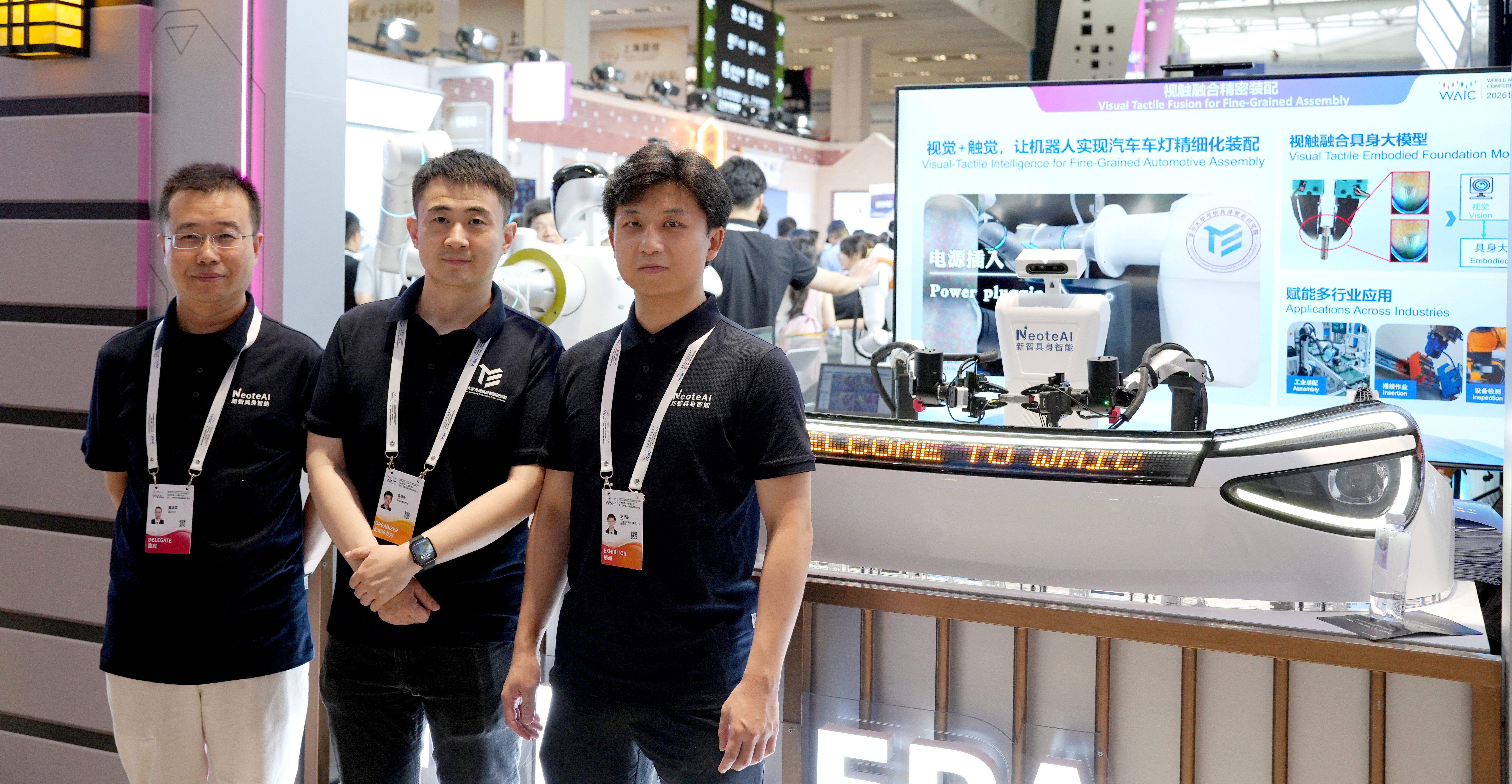
Modeng Era Booth: Precision Automotive Headlamp Assembly
In an automotive headlamp assembly demonstration jointly presented with the Institute of Trustworthy Embodied Artificial Intelligence at Fudan University, the robot was tasked with completing multiple complex procedures, including precision alignment, screw fastening, and connector insertion.
Equipped with NeoteAI's proprietary visual-tactile sensors, the robot could detect subtle deformations and changes in contact forces at the point of interaction. Combined with a vision-tactile embodied foundation model, the system could determine in real time whether components were correctly aligned and connectors were fully inserted.
Throughout the operation, the robot continuously perceived, acted, and adapted, dynamically correcting its motion trajectories based on real-time feedback. This demonstrated the reliability potential of tactile embodied AI in precision automotive manufacturing.

At the Shibei Hi-Tech partner booth, NeoteAI showcased a robotic circuit board insertion and removal system designed for electronics manufacturing and equipment maintenance applications.
The system addresses key challenges associated with circuit board handling, including confined workspaces, precision connectors, and damage-sensitive components, by integrating visual recognition, visual-tactile perception, and motion control.
The vision system identifies the positions of circuit boards and their corresponding slots, while visual-tactile sensors continuously monitor contact conditions, applied forces, and slippage. Based on this feedback, the embodied AI model determines whether the board is correctly aligned, whether insertion forces are abnormal, and whether the connector has been fully seated.
When positional deviations or changes in resistance are detected, the robot can promptly adjust its insertion direction, pose, and applied force, reducing the risks of insertion failure and component damage.
The demonstration highlighted the technological advantages of tactile sensing in precision alignment and dexterous manipulation within confined spaces.
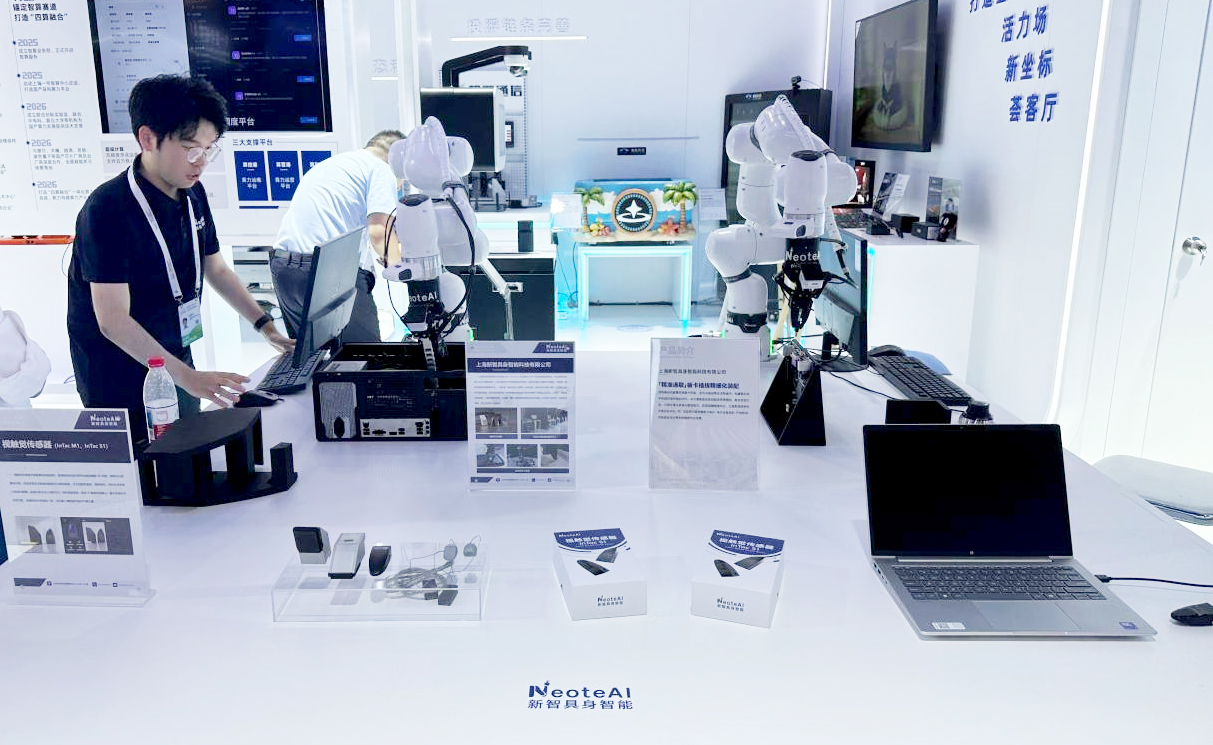
Shanghai State-owned Capital Investment Partner Booth: Proprietary Visual-Tactile Sensors
At the Shanghai State-owned Capital Investment partner booth, NeoteAI showcased its independently developed adaptive visual-tactile AI sensors.
Designed for industrial grippers and dexterous robotic hands, the sensors employ a monochromatic illumination and particle-based sensing approach, combined with model-based decoupling techniques, to convert physical interaction information, including contact forces, slippage, deformation, and boundary contours, into high-density visual representations.
Through continuous sensing of the contact region, the sensors enable robots to determine whether contact has occurred, whether a grasp is stable, whether an object is slipping, and whether a manipulation action has been completed successfully.
The resulting tactile information can also be integrated into embodied AI foundation models and jointly processed with visual, language, and action information, providing essential perceptual support for dexterous manipulation tasks such as grasping, assembly, connector insertion, and screw fastening.

Shanghai Electric Partner Booth: Automated Data Interface Cable Connections for Rail Transit Systems
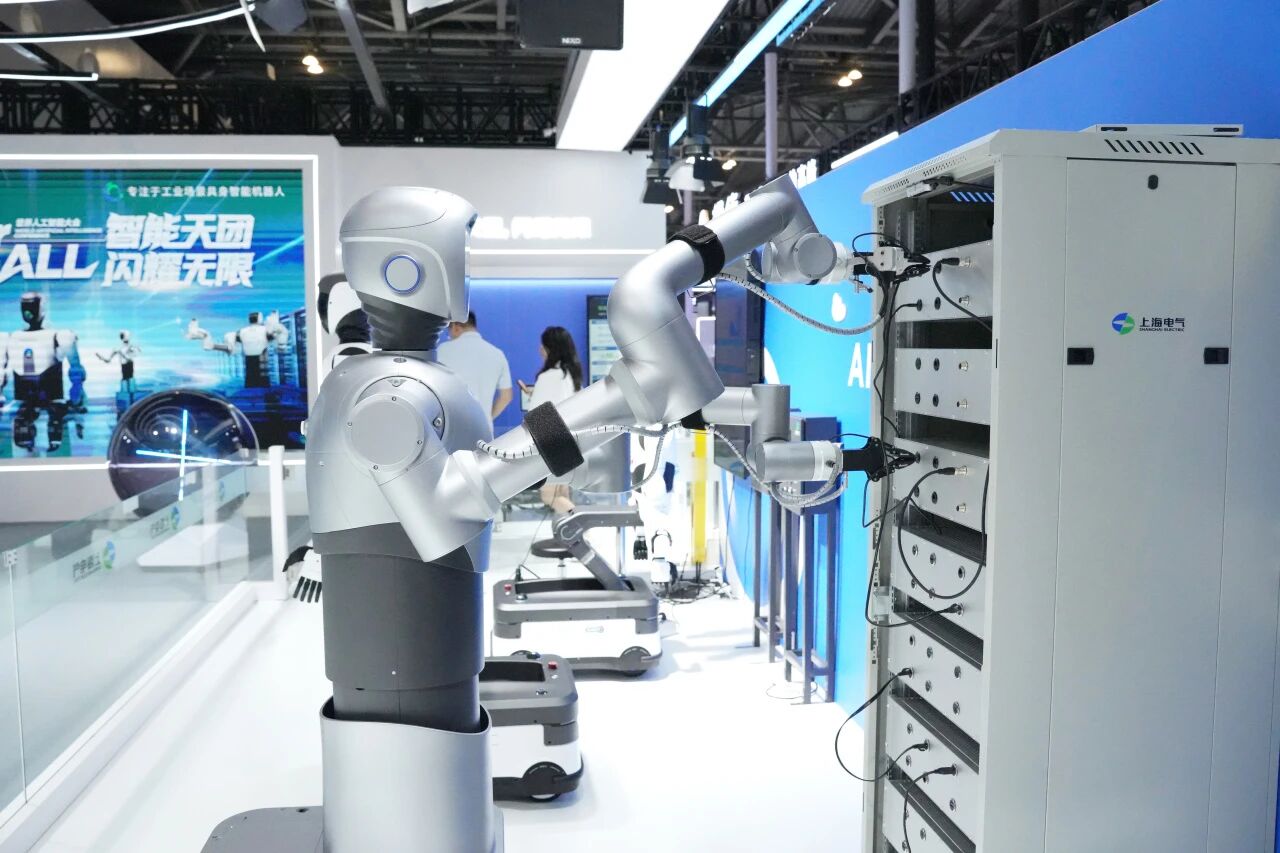
At the Shanghai Electric partner booth, NeoteAI, together with the Institute of Trustworthy Embodied Artificial Intelligence at Fudan University and Shanghai Electric, presented a robotic data interface cable connection demonstration designed for rail transit equipment operations and maintenance and industrial automation.
The task involved multiple stages, including interface recognition, cable grasping, orientation adjustment, precision alignment, and stable connector insertion.
Due to the flexible nature of cables and the limited space around connection interfaces, conventional fixed-trajectory approaches struggle to accommodate variations in cable pose and contact resistance.
The system uses visual recognition to identify interface locations and cable poses. Once physical contact occurs, visual-tactile sensors monitor applied forces, slippage, and insertion states.
Based on this real-time feedback, the embodied AI model dynamically adjusts the robotic arm's pose, insertion angle, and applied force, improving the stability and success rate of complex interface connections and continuous manipulation tasks.
Behind these technological breakthroughs and live demonstrations lies NeoteAI's strong foundation in academic research, industry collaboration, and sustained technological innovation.
Founded in 2025, NeoteAI is a high-tech company originating from the Institute of Trustworthy Embodied Artificial Intelligence at Fudan University.
Building on Fudan University's extensive research expertise in artificial intelligence, multimodal learning, and trustworthy intelligent systems, NeoteAI integrates cutting-edge scientific research with real-world industrial requirements, with the goal of accelerating the transition of embodied AI from laboratory research to broader practical applications.
The company has assembled a core team combining strong academic backgrounds, expertise in frontier technologies, and hands-on industrial experience.
Team members have extensive experience in key areas including artificial intelligence, computer vision, multimodal foundation models, robot learning, and intelligent perception, with deep technical expertise spanning vision models, embodied AI, reinforcement learning, and robotic systems.
Leveraging the expertise of its core team, NeoteAI has established an integrated technology framework built around three key components: visual-tactile sensors, a specialized data collection platform for dexterous manipulation, and tactile embodied foundation models.
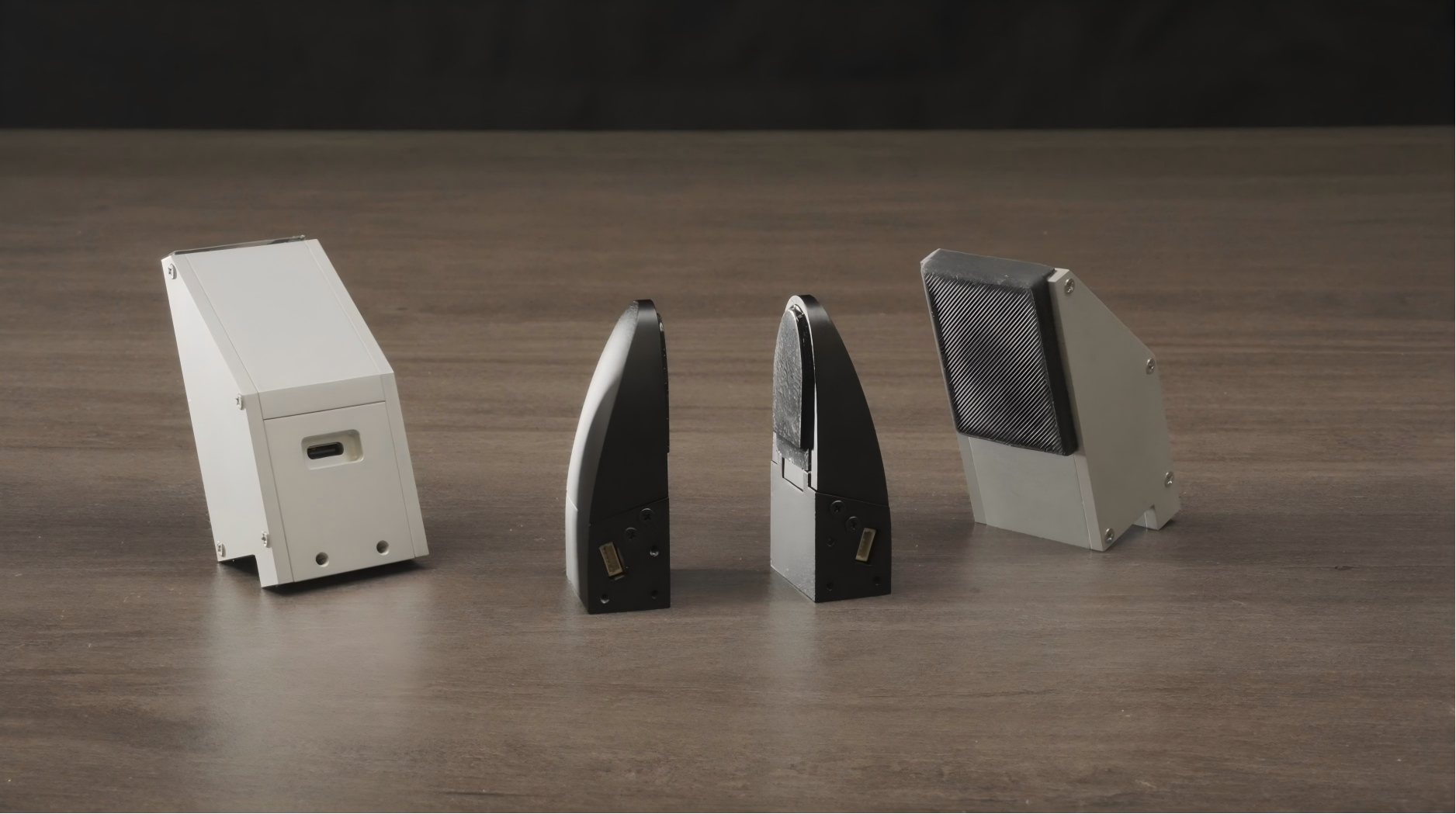
Proprietary Visual-Tactile Sensors
On the hardware side, NeoteAI's proprietary InTac series of visual-tactile sensors offers high resolution and high sensitivity.
On the data side, the company has established a dedicated tactile data collection facility covering more than 1,000 square meters. The facility supports dexterous manipulation scenarios including industrial assembly and cable harness handling, generating large volumes of high-quality physical interaction data for foundation model training.
On the model side, NeoteAI presented its tactile embodied foundation models in a comprehensive showcase for the first time, demonstrating how robots can integrate target state recognition, contact feedback interpretation, task intention understanding, and dynamic adjustment of action strategies.
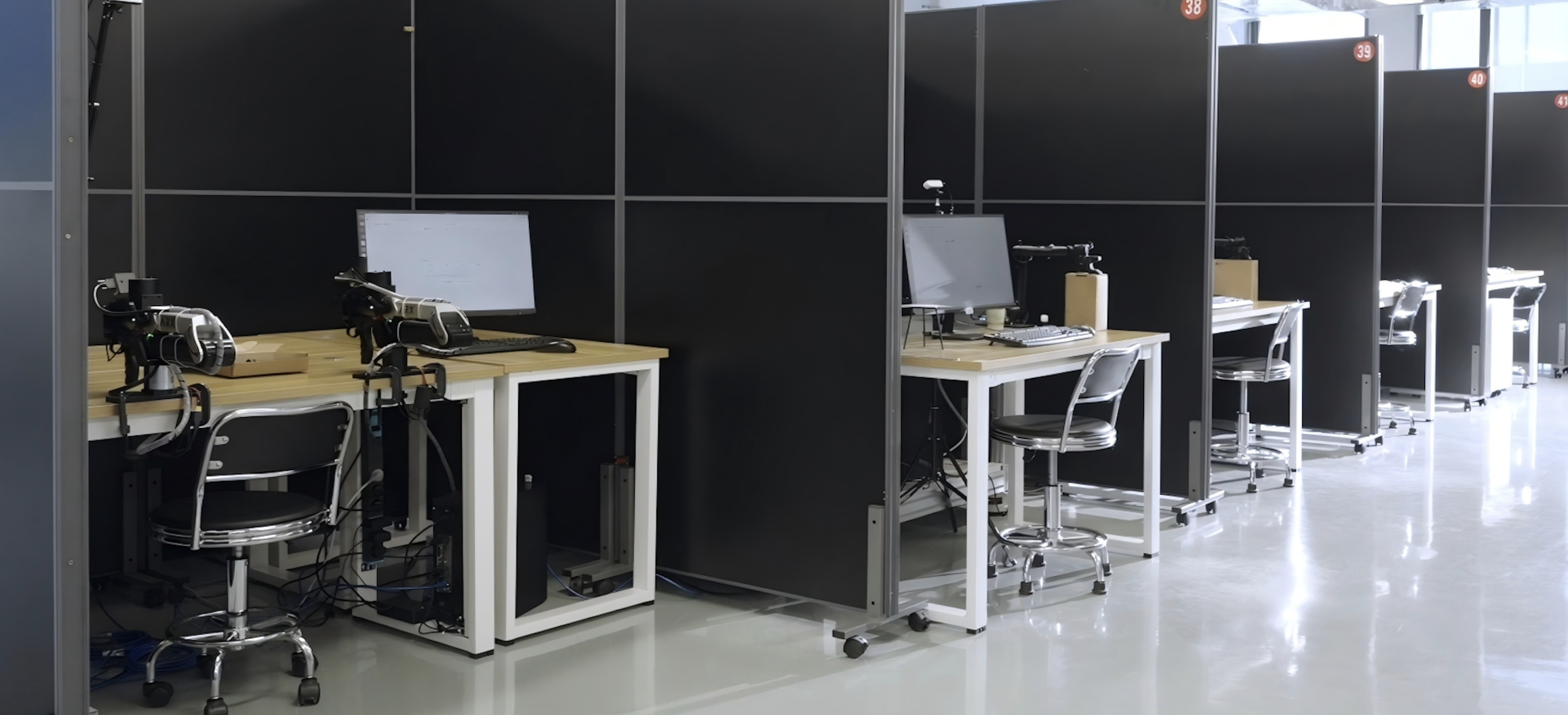
Embodied AI Data Collection Facility with Tactile Sensing Capabilities
From simply "seeing" objects to sensing contact accurately, establishing reliable connections, and performing stable assembly operations, NeoteAI is using tactile intelligence as a key enabler to advance robots beyond predefined action execution toward environmental perception, adaptive understanding, and autonomous task execution.
Looking ahead, NeoteAI will continue to deepen the integration of tactile perception, embodied AI models, and real-world industrial applications, helping usher in a new era of dexterous manipulation in embodied AI.