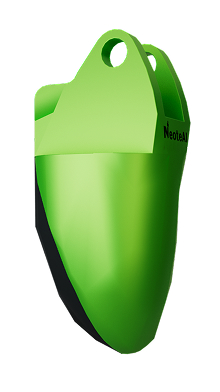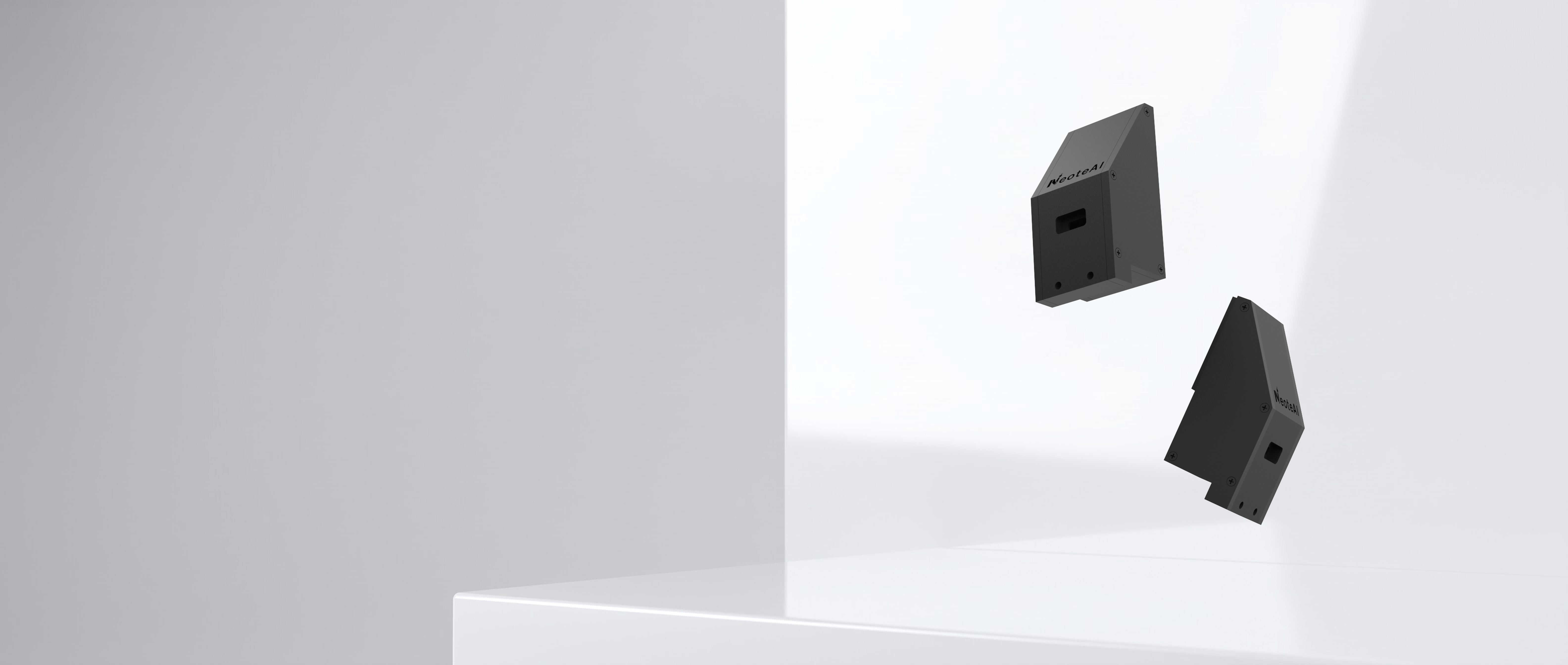
Standard size with a rectangular contact surface, suited to general grasping and tactile sensing.
Contact Us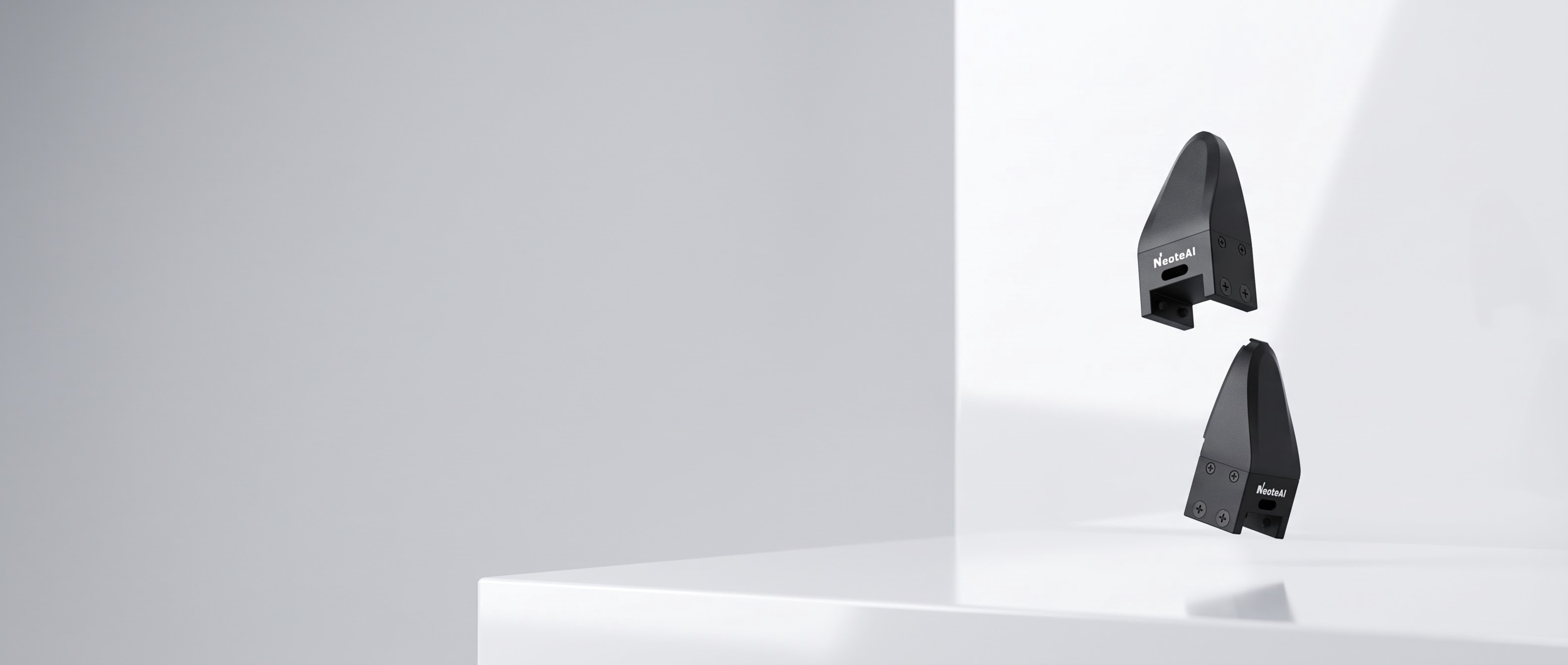
A compact body with a curved tip design, making fine manipulation easier in confined spaces.
Contact Us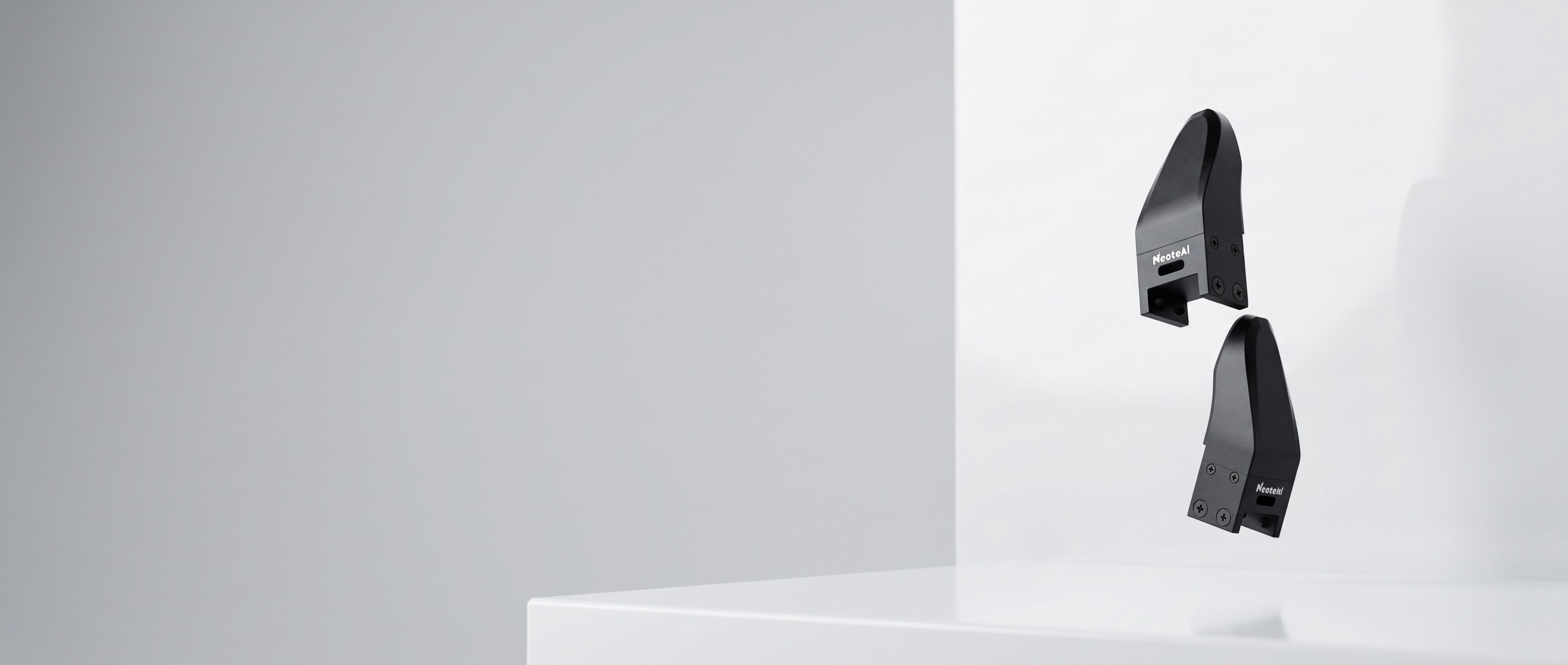
A curved design for irregular-object grasping, balancing multi-angle contact with local detail sensing.
Contact Us


Category | Specification | InTac M1 (Standard) | InTac S3 (Compact) | InTac C1 (Curved) |
Physical characteristics | Sensor dimensions | 78 × 37 × 32 mm | 57 × 23 × 20 mm | 67 × 24 × 22mm |
Weight | 148g | 30g | 30g | |
Tactile layer material | Industrial-grade silicone rubber | Industrial-grade silicone rubber | Industrial-grade silicone rubber | |
Spatial resolution | ~30 μm / pixel | ~20 μm / pixel (higher precision) | ~20 μm / pixel (higher precision) | |
Force measurement range | Normal: 0–30 N; shear: 0–10 N | Normal: 0–10 N; shear: 0–3 N | Normal: 0–10 N; shear: 0–3 N | |
Force resolution | < 0.1 N | < 0.05 N (extremely sensitive) | < 0.05 N (extremely sensitive) | |
Sampling rate | 30 fps | Up to 180 fps | Up to 180 fps | |
Algorithm and output | Output data stream | Raw video stream / multi-dimensional force distribution map / 3D force vector (Fx, Fy, Fz) | Raw video stream / multi-dimensional force distribution map / 3D force vector (Fx, Fy, Fz) | Raw video stream / multi-dimensional force distribution map / 3D force vector (Fx, Fy, Fz) |
Electrical parameters | Communication interface | Type-C | Type-C | Type-C |
Software support | SDK compatibility | Linux x64 / Windows x64 | Linux x64 / Windows x64 | Linux x64 / Windows x64 |